Overview: Quality Standards for Luxury Perfume Packaging
In the luxury perfume packaging industry, glass bottles are more than containers—they are a critical element of brand identity, shelf appeal, and product premiumization.
For European and North American B2B buyers (brands, distributors, OEM/ODM clients), glass perfume bottles must meet three essential standards:
- - Premium Appearance
- - Process Consistency
- - Batch Consistency
To ensure reliable performance across coating, screen printing, labeling, and assembly, a full-process quality control system is required.
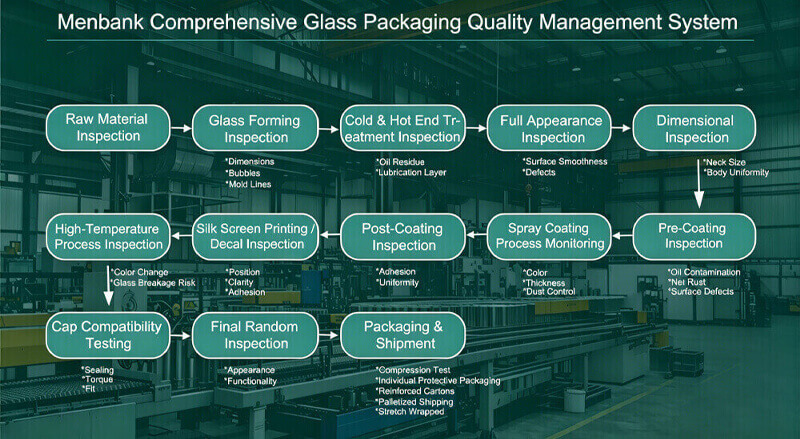
1. Pre-Production Quality Control (Critical Stage)
Neck Finish Tolerance Control (Key Control Point)
Precise neck dimensions are essential for coating and closure compatibility:
- - With fixtures: mandatory fitting verification
- - Without fixtures: tolerance must be within ±1mm
Risks if not controlled:
- - Fixture mismatch
- - Uneven coating
- - Automation instability
Base Rust & Residue Inspection (Premium Packaging Sensitivity)
Although most perfume bottles are narrow-neck designs:
- - Thick-bottom or custom designs must be checked for mesh belt rust and residue
Impact on decoration:
- - Dark coating: partially conceals defects
- - Light, gradient, or frosted finishes: defects become highly visible
Note: High-end perfume packaging requires near-zero tolerance for visual defects
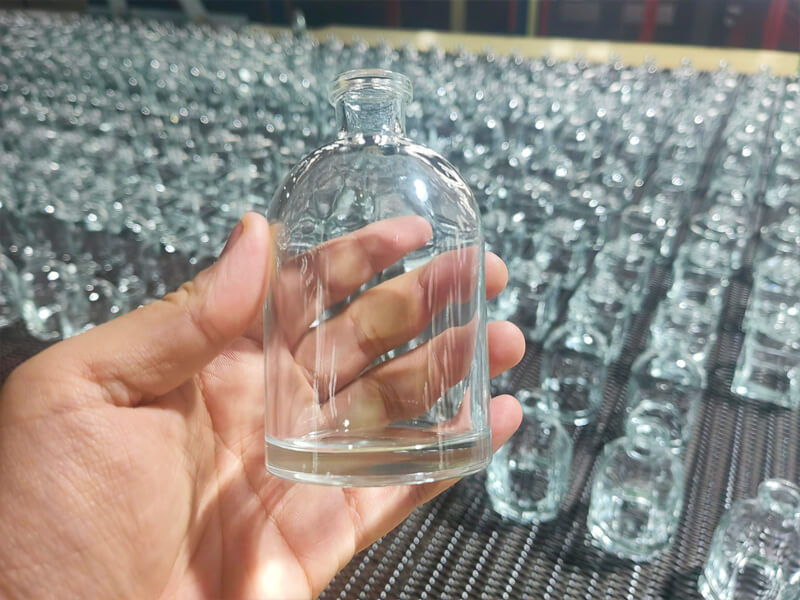
Glass Body Appearance Standards (Core Requirement)
All bottles must meet:
- - Smooth, high-clarity surface
- - No cracks, deformation, or dents
- - No bubbles, seeds, or inclusions
- - Proper and aligned mold seams
Impact:
- - Coating uniformity
- - Logo clarity
- - Overall luxury perception
Embossed Logo Quality Control (Brand-Critical)
For custom perfume bottles:
- - Embossed logos must be sharp, clean, and fully formed
- - No blurring or incomplete edges
Importance: Directly impacts brand recognition and shelf presentation
Weight Consistency Control
- - Recommended tolerance: ±10g (especially for heavy base bottles)
Purpose:
- - Consistent hand feel
- - Stable filling volume
New Mold Sampling & Validation
All new molds must undergo trial production to verify:
- - Dimensional accuracy
- - Visual quality
- - Compatibility with downstream decoration processes
2. Spray Coating Quality Control (Core Process)
Surface Contamination Inspection
Check for:
- - Oil residues
- - Mold debris
Sources:
- - Mold lubricants
- - Contaminated tools
Risk Note: Even dark coatings may not fully hide defects, especially on neck and edges
Surface Defect Standards
Common defects:
- - Flow marks (horizontal lines)
- - Scratches (vertical marks)
- - Thick or double mold seams
- - Bubbles and pinholes
Severity ranking:
Bubbles/Pinholes → Flow marks → Scratches → Seam lines → Vent marks
Acceptance criteria:
- - Solid coating: no visible defects allowed
- - Gradient / translucent coating: evaluated based on severity
Mesh Belt Rust Detection (Hidden Risk)
Inspection method:
- - Use white paper to check the bottle base texture area
Prevention:
- - Apply white latex or lime coating on conveyor belts
Dimensional & Structural Control
- - Inner diameter determines fixture compatibility
- Fixture types:
- - Neck masking fixtures (plug-in / threaded)
- - Non-masking fixtures
Structure requirements:
- - Full shoulder shape, no collapse
- - No under-formed body
- - Thick and well-formed base
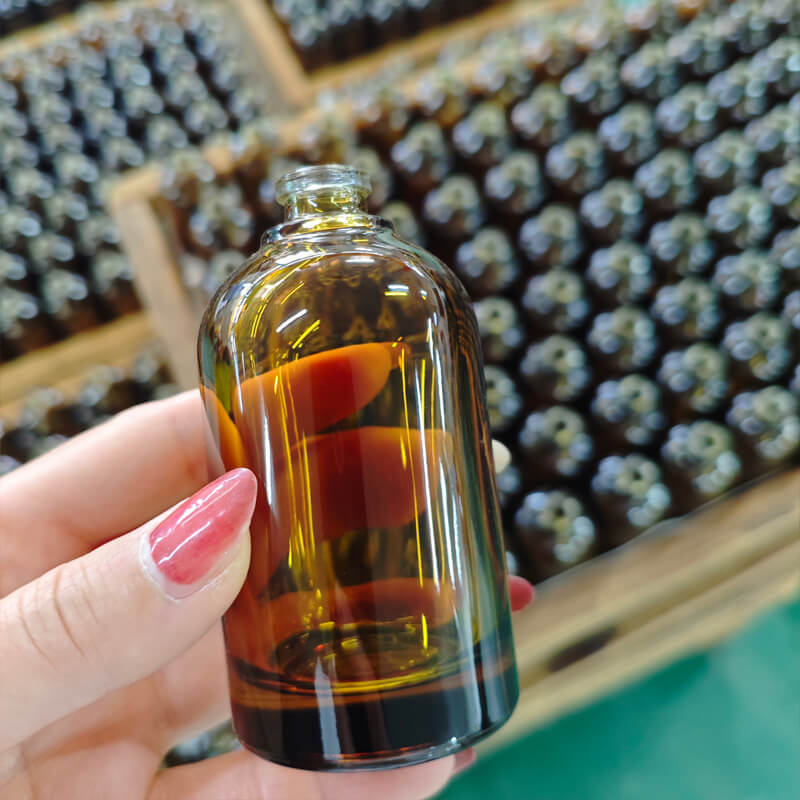
Hot/Cold End Coating Residue
Some bottles may have a protective layer:
- - Reduces coating adhesion
- - Causes peeling or color inconsistency
Solution: Professional pre-coating washing process
Coating Process Control
Strictly monitor:
- - Spray angle and flow rate
- - Coating thickness and uniformity
- - Dust-free environment
Inspection standard:
- - Every 10 minutes
- - Continuous monitoring for 3 cycles
⚠️ For bottles requiring screen printing or hot stamping, baking temperature must be pre-controlled
3. Screen Printing Quality Control
Surface Requirements
- - Smooth surface without particles
- - Flat mold seams without protrusion
Printing Standards (Industry Best Practice)
- - Logos should avoid mold seams unless design requires
Color & Position Accuracy
- - Must match approved samples exactly
- - Ensure batch-to-batch consistency
Stencil (Film) Inspection
- - Prevent missing elements
- - Avoid distortion or misalignment
High-Temperature Printing Risks
- - Color variation
- - Bottle breakage (higher risk for thick-bottom bottles)
4. Decal Application Quality Control
Pre-Application Verification
- - Correct artwork placement
- - Complete and accurate content
- - Alignment with design files
Common Defects
- - Misalignment
- - Wrinkles or air bubbles
- - Application over mold seams
High-Temperature Risks
- - Potential cracking after firing
Final inspection is mandatory
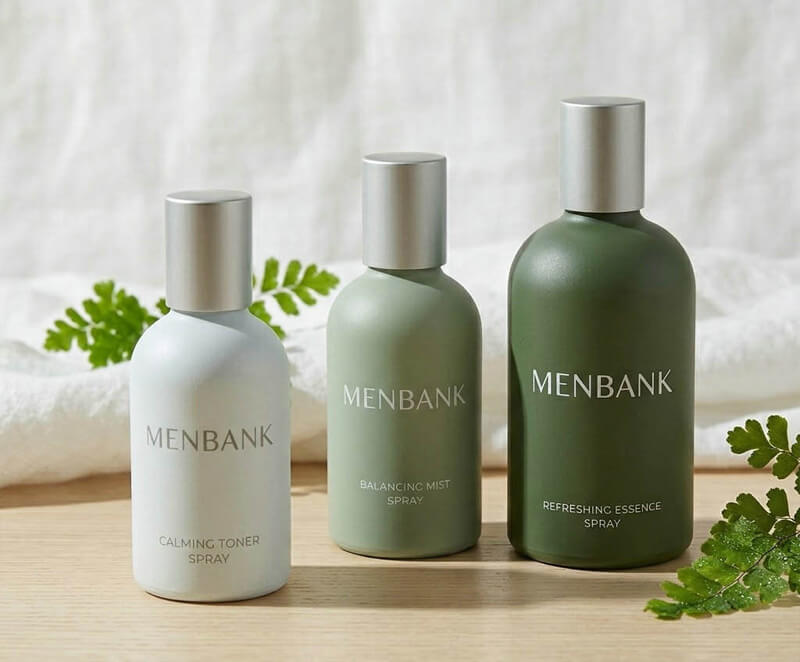
Conclusion: Ensuring Premium Perfume Packaging Quality
In the European and North American luxury fragrance market, packaging quality directly determines:
- - Brand perception
- - Product value
- - Consumer experience
By implementing a full-process quality control system—from glass forming to coating, printing, and final assembly—manufacturers can ensure:
- - Consistent appearance
- - Stable production processes
- - Reliable bulk delivery
This is the core competitive advantage of a professional OEM perfume glass bottle supplier.
Post time: Apr-16-2026