How Packaging Material Choices Impact Brand Value and Compliance in a Sustainable Era
Overview
With tightening environmental regulations and rising sustainability awareness, the choice between glass packaging and plastic packaging has become a critical decision factor for brands, distributors, and OEM buyers in Europe and North America.
In industries such as skincare, fragrance, and cannabis, packaging is no longer just functional—it directly influences:
- - Brand positioning
- - Regulatory compliance
- - Consumer perception
- - Market competitiveness
1. Market Data: Plastic Dominates, but Faces Growing Pressure
According to recent EU data:
- - Total packaging waste reached 79.7 million tonnes
- - Average per capita waste: 177.8 kg
- - Plastic packaging share: ~19.8%
- - Glass packaging share: ~18.8%
Additional insights:
- - Plastic recycling rate: ~42%
- - Only ~9.5% of global plastic production uses recycled materials
Key takeaway:
Plastic remains dominant, but sustainability pressure is accelerating the shift toward alternative materials like glass.
2. Consumer & Brand Perception: Glass Leads in Premium and Sustainability
Research shows:
- - Over 60% of consumers in Europe and the U.S. consider glass the most sustainable packaging material
- - Plastic receives only 20%–30% acceptance
B2B implication:
|
Material |
Market Perception |
|
Glass |
Premium / Sustainable / Safe |
|
Plastic |
Cost-driven / Functional |

3. Performance & Supply Chain Comparison (Key for B2B Buyers)
Glass Packaging Advantages
✔ Infinitely recyclable without quality loss
✔ Excellent barrier properties (ideal for essential oils, THC products)
✔ No chemical migration risk
✔ Strong premium visual appeal
Plastic Packaging Advantages
✔ Lower cost (typically 30%–70% cheaper)
✔ Lightweight (lower logistics cost)
✔ High impact resistance
Key Limitations
|
Factor |
Glass |
Plastic |
|
Logistics Cost |
Higher |
Lower |
|
Carbon Impact |
Higher (production stage) |
Higher (waste stage) |
|
Recyclability |
High |
Complex |
|
Brand Value |
Strong |
Limited |
4. Regulatory Trends: Driving Material Transformation
EU – PPWR Regulation
The EU Packaging and Packaging Waste Regulation (PPWR) requires:
- - All packaging to be recyclable by 2030
- - Increased use of recycled content
- - Restrictions on single-use plastics
North America
- - Expansion of EPR (Extended Producer Responsibility) policies
- - Increasing ESG disclosure requirements
- - Plastic taxes in multiple states
Result:
Brands are actively shifting toward compliant and sustainable packaging solutions
5. Technology Trends: Material Innovation Race
Glass Packaging Innovations
- - Lightweight glass (reduced logistics cost)
- - Enhanced impact resistance
- - Eco-friendly coatings (heavy-metal-free)
- - Advanced decoration (UV coating, premium finishes)
Plastic Packaging Innovations
- - PCR (Post-Consumer Recycled plastic)
- - Bio-based materials (PLA, sugarcane plastics)
- - Mono-material structures
Challenges remain:
- - Higher cost
- - Performance limitations
- - Regulatory uncertainty
6. Industry Case Study: Cannabis Packaging
The cannabis industry is one of the most representative examples where glass packaging is replacing plastic, especially in premium segments.
1. Product Requirements Drive Material Choice
Cannabis products such as:
Require packaging with:
✔ Airtight sealing
✔ Chemical stability
✔ UV/light protection
✔ Regulatory compliance (child-resistant packaging)
Glass clearly outperforms plastic in these aspects
2. Advantages of Glass in Cannabis Packaging
- - Superior barrier properties → prevents THC evaporation
- - Non-reactive material → safe for oil-based products
- - Premium positioning → aligns with high-end branding
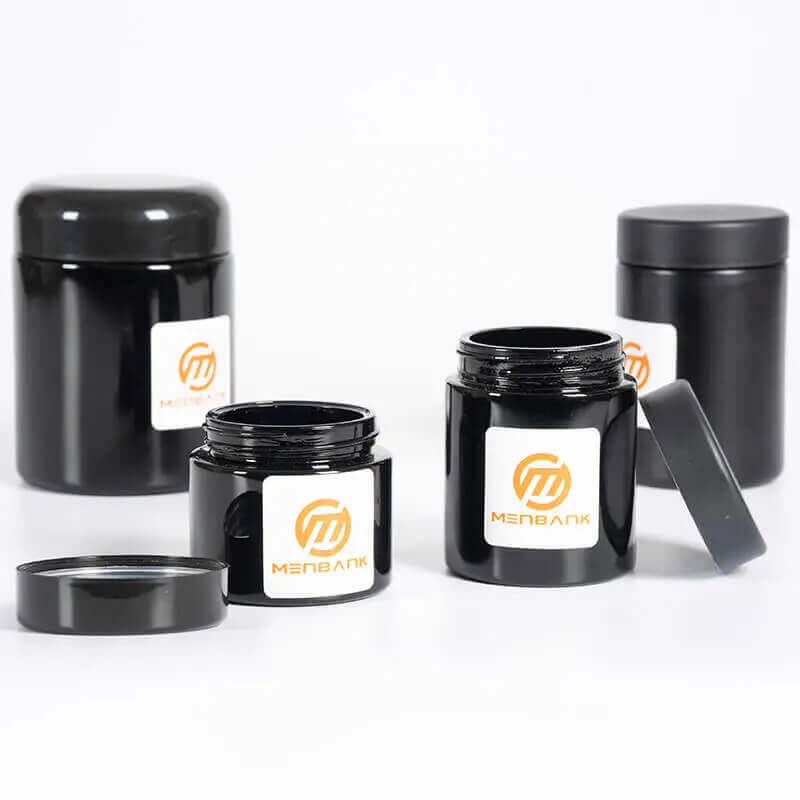
- - Compatible with CR closures → meets regulatory standards
Common solutions:
- - Amber Glass Dropper Bottles
- - Child-Resistant Glass Jars
3. Limitations of Plastic in Cannabis Packaging
- - Odor absorption and permeability
- - Lower long-term storage stability
- - Limited premium perception
- - Less acceptance in high-end markets
4. B2B Procurement Trends
|
Product Positioning |
Packaging Choice |
|
Premium Brands |
Glass (dominant) |
|
Mid/Low-end |
Plastic or hybrid |
Key Insight
The cannabis industry demonstrates a clear pattern:
As product value increases and regulations tighten, glass becomes the preferred packaging material.
7. B2B Sourcing Recommendations
When to Choose Glass Packaging
- - Premium skincare and fragrance brands
- - Cannabis / CBD products
- - ESG-focused brands
- - High-end positioning and branding
When to Choose Plastic Packaging
- - Fast-moving consumer goods (FMCG)
- - E-commerce logistics-sensitive products
- - Cost-driven markets
Conclusion: Packaging Material = Strategic Decision
The future is not simply “glass vs plastic”, but rather:
Selecting the right material for the right application
However, clear trends show:
✔ Glass = Premium + Sustainable + Brand Value
✔ Plastic = Cost Efficiency + Scalability + Functionality
For B2B buyers in Europe and North America:
The real competitive advantage lies in choosing a supplier who can provide:
- - Multi-material solutions
- - Advanced decoration capabilities
- - Strong regulatory understanding
Post time: Apr-17-2026