Featured LED-Compatible Glass Packaging
Premium glass containers engineered for LED lighting products, cosmetics, and specialty storage
What Is LED? The Light That Changed the World
Understanding the technology powering modern industry, commerce, and everyday life
The LED Revolution
LED — Light-Emitting Diode — is a semiconductor device that emits light when an electric current passes through it. Unlike traditional incandescent or fluorescent lamps, LEDs convert electricity into light with remarkably high efficiency, losing very little energy as heat. Since the first practical visible-spectrum LED was developed in 1962 by Nick Holonyak Jr., the technology has undergone transformational advances that have reshaped industries worldwide. Today, LED is not merely a lighting solution — it is a foundational technology embedded across commercial, industrial, medical, agricultural, and consumer electronics sectors.
Why LED Dominates Modern Lighting
The global shift toward LED is driven by compelling advantages: LEDs consume up to 80% less energy than traditional incandescent bulbs and last up to 25 times longer, drastically reducing both operational costs and environmental impact. Their compact size, durability, instant-on capability, and compatibility with digital control systems make them the preferred choice for architects, engineers, and product designers. As global energy regulations tighten and sustainability becomes a corporate imperative, LED adoption continues to accelerate at an unprecedented pace.
LED Market: Global Commercial Landscape
The LED industry is one of the fastest-growing technology markets in the world
Commercial Adoption Worldwide
From retail chains and hospitality venues to large-scale infrastructure projects, LED lighting has become the de facto standard in commercial construction and renovation. Major corporations including Walmart, Amazon, and IKEA have completed global LED retrofits across their facilities, reporting energy cost reductions of 40–60%. The commercial real estate sector has embraced LED not only for its economic benefits but also as a key component of LEED and BREEAM green building certifications, which are increasingly demanded by tenants and investors alike.
Industrial LED: Precision & Reliability
In industrial environments — factories, warehouses, mining operations, and outdoor infrastructure — LED high-bay and floodlight systems have replaced metal halide and high-pressure sodium lamps at scale. Industrial LEDs offer superior lumen output, better color rendering index (CRI), and significantly lower maintenance costs. Smart industrial LED systems integrated with IoT sensors enable predictive maintenance, occupancy-based dimming, and real-time energy monitoring, delivering measurable ROI within 18–36 months of installation.
Core Technical Advantages of LED Technology
Why engineers, designers, and businesses choose LED as the ultimate lighting platform
Ultra-High Energy Efficiency
Modern LED chips achieve luminous efficacies exceeding 200 lm/W, far surpassing fluorescent (60–100 lm/W) and incandescent (10–15 lm/W) technologies. This efficiency translates directly into reduced electricity bills and lower carbon footprints for businesses and municipalities.
Semiconductor Precision Engineering
LED technology is rooted in advanced semiconductor physics. By precisely engineering the bandgap of compound semiconductors such as GaN, InGaN, and AlGaAs, manufacturers can produce LEDs emitting specific wavelengths — enabling everything from horticultural grow lights tuned to plant photosynthesis peaks to UV-C LEDs used in medical sterilization.
Thermal Management Innovation
Effective thermal management is critical to LED performance and longevity. Advanced heat sink designs using aluminum extrusions, copper heat pipes, and ceramic substrates ensure that junction temperatures remain within optimal ranges, preserving lumen output and extending operational lifespan beyond 100,000 hours in premium applications.
Smart & Connected LED Systems
The integration of LED with IoT, AI, and wireless communication protocols (DALI, Zigbee, Bluetooth Mesh, Wi-Fi) has given rise to intelligent lighting ecosystems. These systems enable granular control of individual luminaires, automated scene management, daylight harvesting, and integration with building management systems (BMS) for holistic energy optimization.
Environmental Sustainability
LEDs contain no mercury or other hazardous materials, unlike fluorescent lamps. Their dramatically lower energy consumption reduces CO₂ emissions at scale — the IEA estimates that widespread LED adoption could reduce global electricity consumption for lighting by over 40%, equivalent to eliminating hundreds of coal-fired power plants.
Tunable Color & Dynamic Lighting
Tunable white LED systems allow color temperature adjustment from warm 2700K to cool 6500K, supporting human-centric lighting (HCL) applications that align artificial light with circadian rhythms. RGBW LED systems enable millions of color combinations for architectural, entertainment, and retail applications where ambiance drives customer experience.
LED Development Trends: The Road Ahead
Emerging innovations shaping the next decade of LED technology and market evolution
🔵 Mini-LED & Micro-LED Displays
Mini-LED and Micro-LED represent the cutting edge of display technology. By shrinking LED chip sizes to tens or even single-digit micrometers, manufacturers achieve pixel-level dimming control, delivering OLED-comparable contrast ratios with superior brightness and longevity. Apple, Samsung, and LG have invested billions in Micro-LED display production, targeting premium televisions, AR/VR headsets, and wearable devices. The Micro-LED display market is projected to exceed $20 billion by 2030.
🌾 LED Horticulture & Vertical Farming
Spectrally tunable LED systems are transforming agriculture. Indoor vertical farms using purpose-designed LED grow lights can produce crops year-round with 95% less water than conventional farming and zero pesticide use. Companies like AeroFarms, Plenty, and Bowery Farming rely entirely on advanced LED systems. As global food security concerns intensify and urban populations grow, LED-powered controlled environment agriculture (CEA) is positioned as a critical technology for the 21st century.
🏥 UV-LED in Medical & Disinfection
UV-C LEDs (200–280nm) are emerging as powerful tools for pathogen elimination, water purification, and surface disinfection. Unlike traditional mercury UV lamps, UV-C LEDs are mercury-free, instant-on, and can be miniaturized for integration into HVAC systems, water purifiers, and medical devices. The COVID-19 pandemic accelerated UV-LED adoption dramatically, and the technology continues to expand into food processing, pharmaceutical manufacturing, and healthcare facility management.
📡 Li-Fi: LED-Based Wireless Communication
Li-Fi (Light Fidelity) uses rapid modulation of LED light to transmit data at speeds potentially exceeding 100 Gbps — far faster than conventional Wi-Fi. Because light cannot penetrate walls, Li-Fi offers inherently secure, interference-free wireless communication ideal for hospitals, aircraft, and secure government facilities. As 5G and beyond-5G networks evolve, Li-Fi is expected to play a complementary role in high-density indoor wireless infrastructure.
Deep-Dive: LED Application Scenarios
From smart cities to precision medicine — LED illuminates every sector
Smart City Infrastructure
Municipal LED street lighting systems integrated with smart city platforms enable adaptive brightness control based on traffic density, weather conditions, and time of day. Cities like Los Angeles and Seoul have documented 60–70% energy savings following LED streetlight conversions, while simultaneously gaining real-time network monitoring capabilities.
Retail & Visual Merchandising
High-CRI LED track lighting and accent systems in retail environments enhance product color accuracy, increasing purchase intent by measurable margins. Dynamic LED display walls and programmable storefront lighting create immersive brand experiences that drive foot traffic and dwell time — critical metrics in modern omnichannel retail strategy.
Automotive LED Systems
LED headlights, DRLs (Daytime Running Lights), and interior ambient lighting have become standard in modern vehicles. Matrix LED and laser-LED hybrid headlight systems offer adaptive beam shaping that eliminates glare for oncoming traffic while maximizing road illumination. EV manufacturers favor LED extensively due to its minimal power draw from battery systems.
Entertainment & Stage Production
LED video walls, wash fixtures, and pixel-mapped architectural lighting have revolutionized live events, broadcast studios, and themed entertainment. High-refresh-rate LED panels eliminate flicker artifacts in broadcast-quality video capture. The global entertainment LED market is driven by the booming live events industry and the proliferation of LED-based virtual production stages used in major film and TV productions.
Industrial Manufacturing & Inspection
Machine vision systems in automated manufacturing lines depend on specialized LED illumination — ring lights, backlights, and coaxial lighting modules — to achieve consistent, defect-revealing illumination for optical inspection. LED stroboscopes enable high-speed imaging of moving components. The precision and controllability of LED make it indispensable in quality control across electronics, automotive, pharmaceutical, and food manufacturing sectors.
Medical Phototherapy & Diagnostics
Specific LED wavelengths are clinically proven for photobiomodulation therapy (red and near-infrared), neonatal jaundice treatment (blue LED), and dermatological applications including acne treatment and wound healing acceleration. LED-based endoscopy and surgical lighting systems provide surgeons with bright, shadow-free, heat-free illumination in critical procedures, improving outcomes and reducing fatigue.
LED Product Packaging: Precision Meets Presentation
How advanced glass packaging solutions support the LED industry supply chain
Packaging for LED Cosmetics & Specialty Products
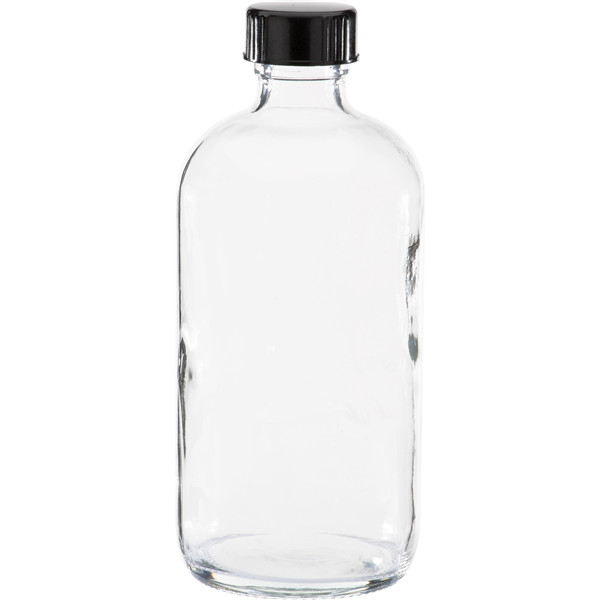
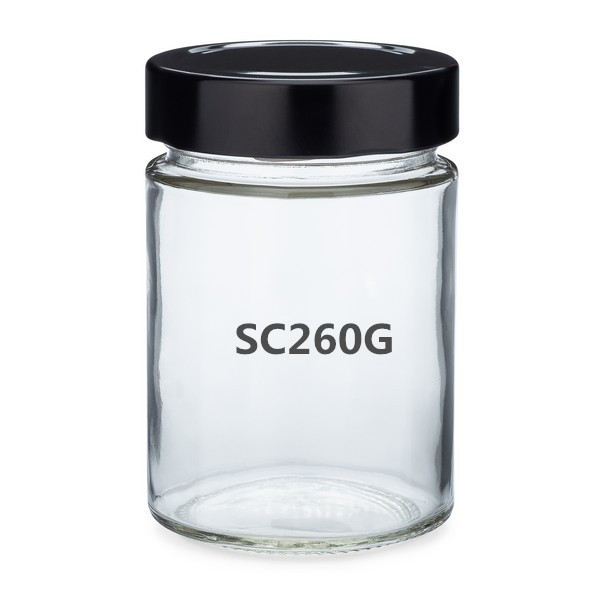
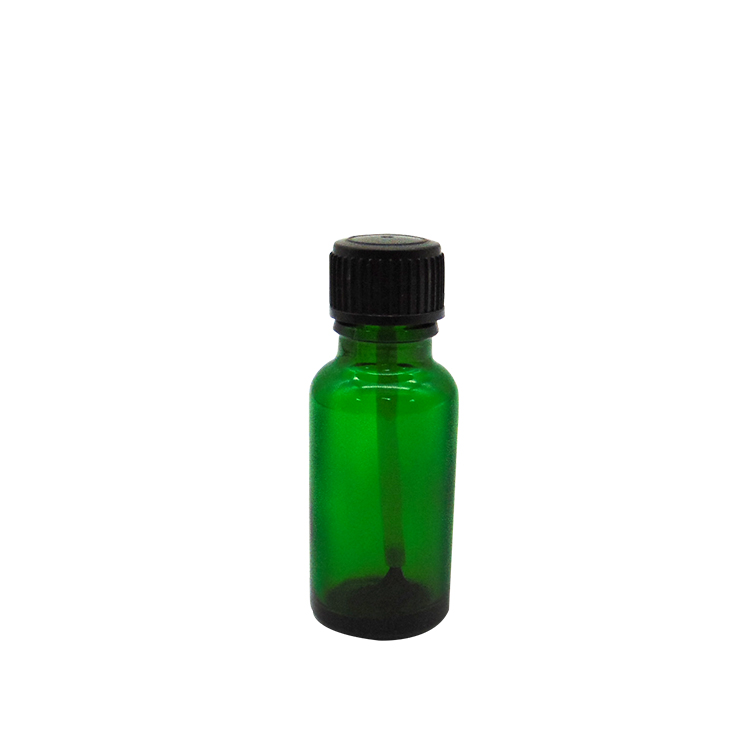
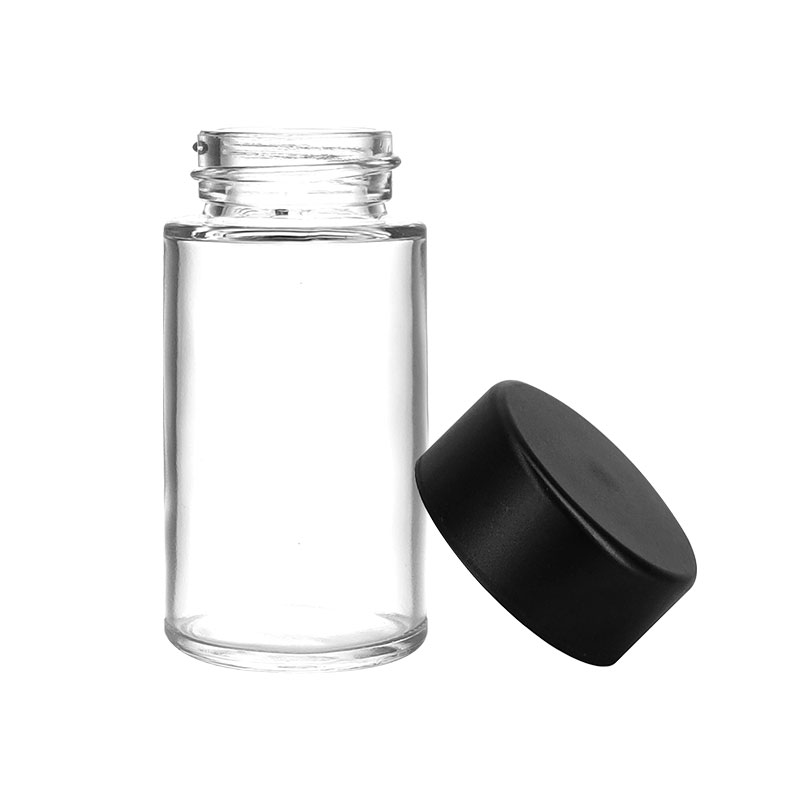
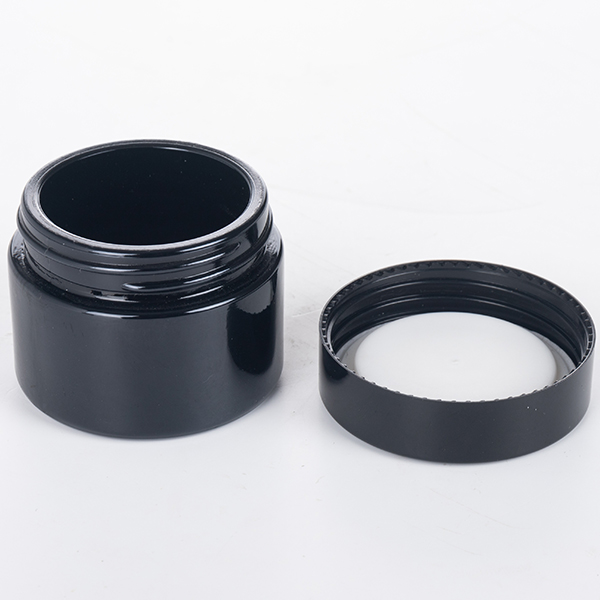
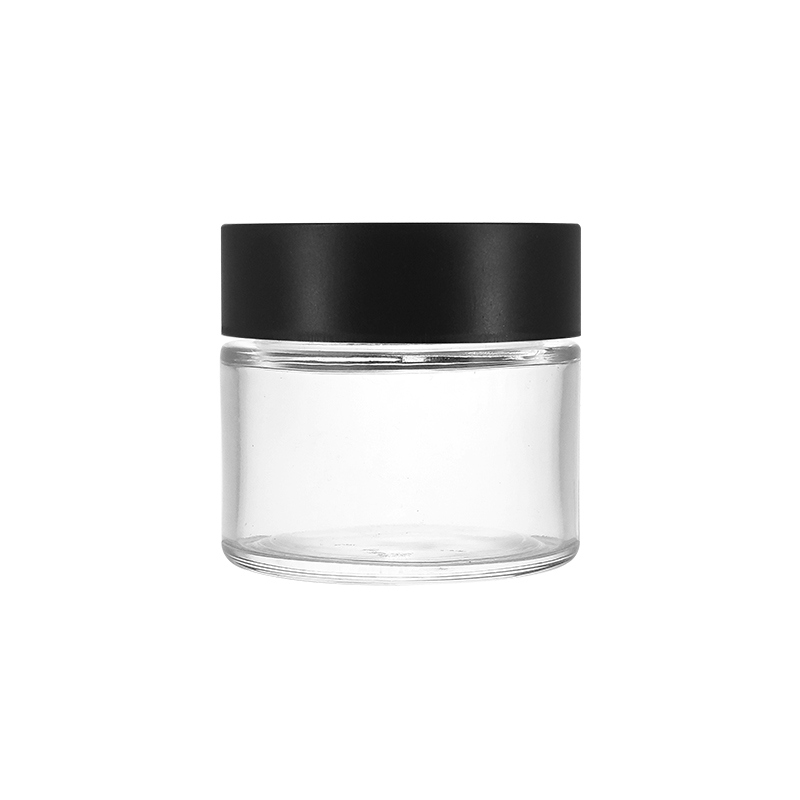
The intersection of LED technology and premium packaging is most visible in the beauty and wellness sector. LED-based skincare devices — from phototherapy masks to LED wands — require packaging that communicates technology, precision, and luxury simultaneously. High-clarity glass containers, precision-engineered closures, and UV-protective glass formulations are essential for housing LED-activated serums, photosensitive compounds, and light-therapy accessories. MBK Packaging's glass jar and bottle range provides the optical clarity and material integrity demanded by leading LED skincare brands.
Industrial Glass Containers for LED Component Storage
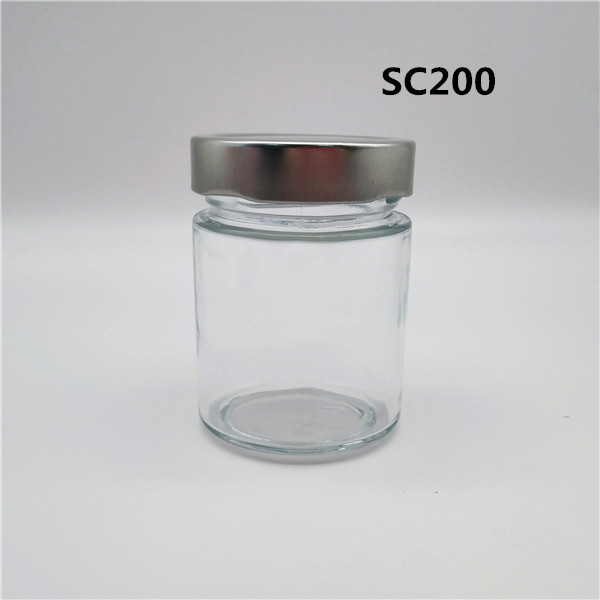
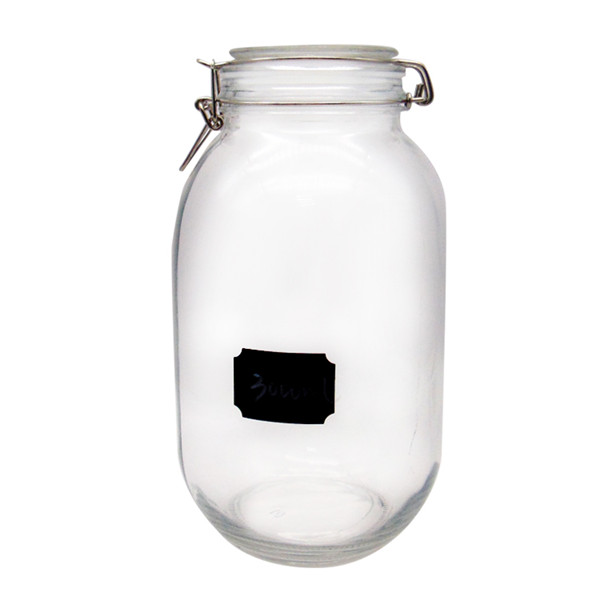
LED manufacturing involves handling sensitive semiconductor components, phosphor powders, encapsulation resins, and precision optical elements that require contamination-free, moisture-controlled storage. Borosilicate and soda-lime glass containers with airtight seals provide the chemical inertness and barrier properties necessary to preserve LED materials throughout the supply chain. From small 20ml dropper bottles for specialty coatings to 3-liter storage jars for bulk phosphor compounds, glass packaging remains the material of choice for quality-critical LED production environments.
Complete LED Packaging Collection
Explore our full range of glass packaging solutions designed for LED-related products and industries
Partner with the LED & Packaging Experts
Whether you are sourcing precision glass packaging for LED-activated skincare formulations, industrial component storage, or specialty product lines, our team delivers solutions engineered for performance, compliance, and brand distinction. Connect with us to explore how our LED-compatible packaging portfolio can elevate your product line.
Explore All Products